
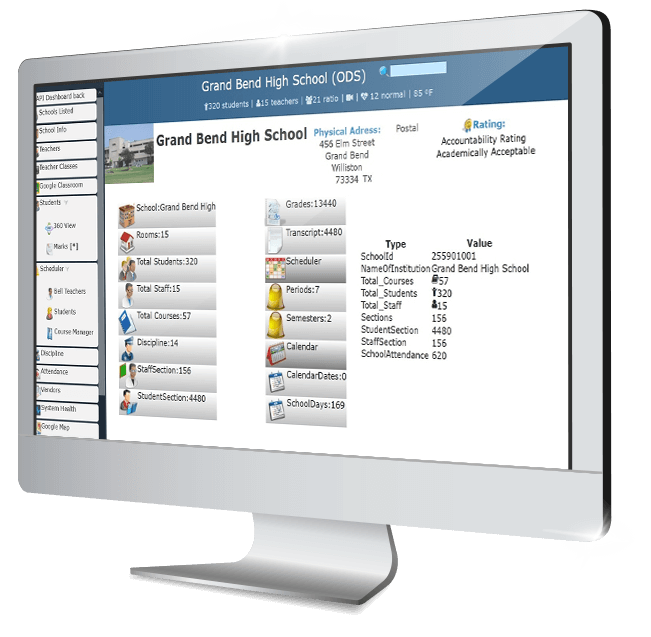

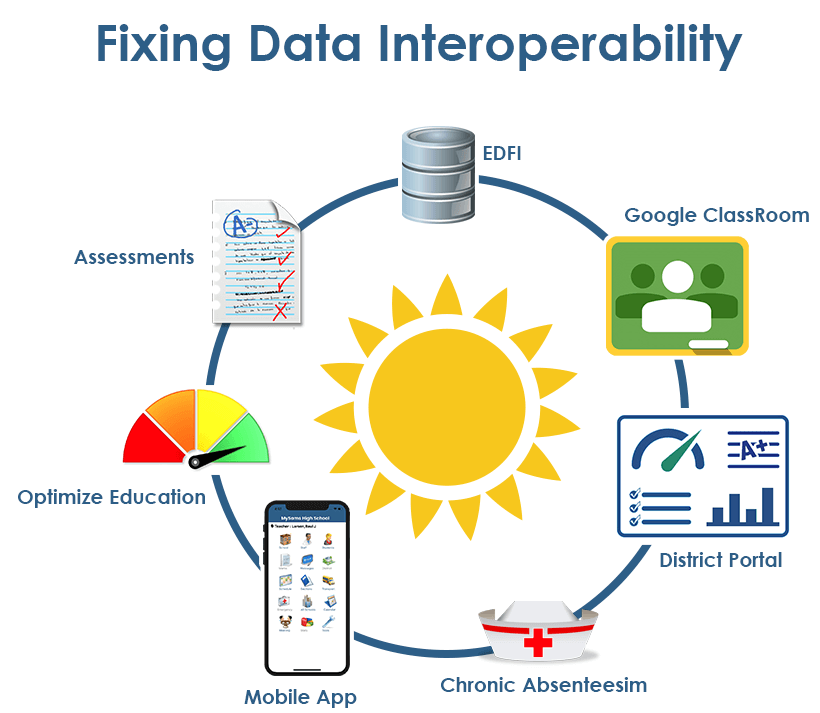






Within the field of K-12 education, Ed-Fi is marking a phenomenal shift for the better. Ed-Fi data standard marks a revolutionary shift in how educational leaders use and manage data volumes. It consists of a set of rules that helps establish a unified structure for K-12 educational data. The Ed-Fi solution brings together disparate educational data systems and provides them with a common language so that they can seamlessly communicate. Ed-Fi system thus enables data interoperability for controlled and secure data exchange between apps that use the data standards.
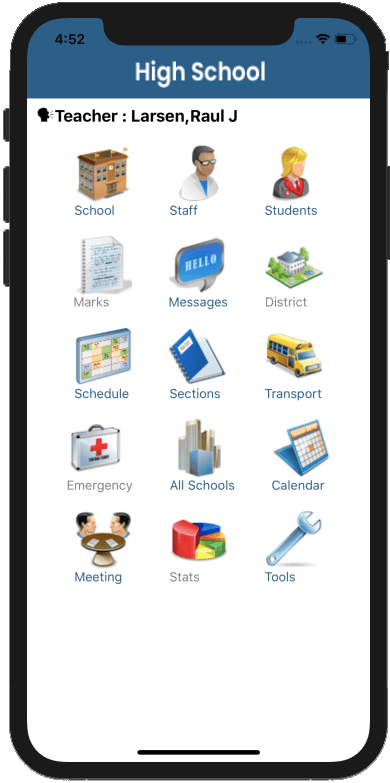
Ed-Fi standard aims to fix the complicated problems in education. It intelligently interconnects with different applications such as learning management systems (LMS), student information systems, reporting, and assessment software. Through Ed-Fi Google assignments integration, schools can incorporate a well-defined system that can drive the workflow seamlessly. The integrated Ed-Fi Google Classroom API solution functions as a centralized location enabling enhanced access to data. The right tool that facilitates this integration can help schools go live with Google Classroom with much ease and be in sync with the school data.
Thus, with the Ed-Fi data standard, schools can better focus on student achievement and progress and meet the specific requirements of the state and district. Access to robust data empowers every entity involved in the educational domain to make effective, high-quality decisions. Moreover, since Ed-fi data standards help overcome the traditional siloes, it opens up new avenues for promoting growth and development. Thus, it is guiding teachers, policymakers, and other entities through curriculum development and resource allocation, promoting accountability, and ensuring the child's holistic development.
The intersection of education and data with Ed-Fi provides the following advantages.
- The integration of Ed-fi with Google classroom promotes adaptive learning. The integration presents opportunities to streamline assignments and the grading process. Such classrooms that are balanced on data helps facilitate the development of the student to know better where they lag.
- Ed-Fi data standards simplify the process of student data management. It provides support with the management of data across its lifetime, from its creation of data to rendering it useful and maintaining records over the longer term. Ed-Fi allows data to use APIs to seamlessly travel between systems. Thus, it helps gather data, and stakeholders can leverage the right solution to organize, protect, and analyze data using this standard.
- Educational institutions tend to generate large data volumes that span across spreadsheets. These data points may, at certain junctions, fail to match or have mismatch or inaccuracy, which will pose a problem. Ed-Fi data standard defines a common format for data, describing how it must be serialized or structured for sharing. The various educational data systems can thus effectively communicate and coordinate through the adoption of this Ed-fi data standard.
- Ed-Fi is an open-sourcedata standard. To leverage Ed-Fi, schools do not require any licensing fees. It presents them with an opponent to free up funds to use for other projects. Hence, it contributes to cost savings allowing schools to optimize operational efficiency.
To Conclude:
The Ed-Fi data standard is thus a simple, intuitive, and cost-effective way to unlock efficiency and innovation in the EdTech infrastructure. It brings actionable and real-time at the core of decision-making to ensure the holistic development of the students.