

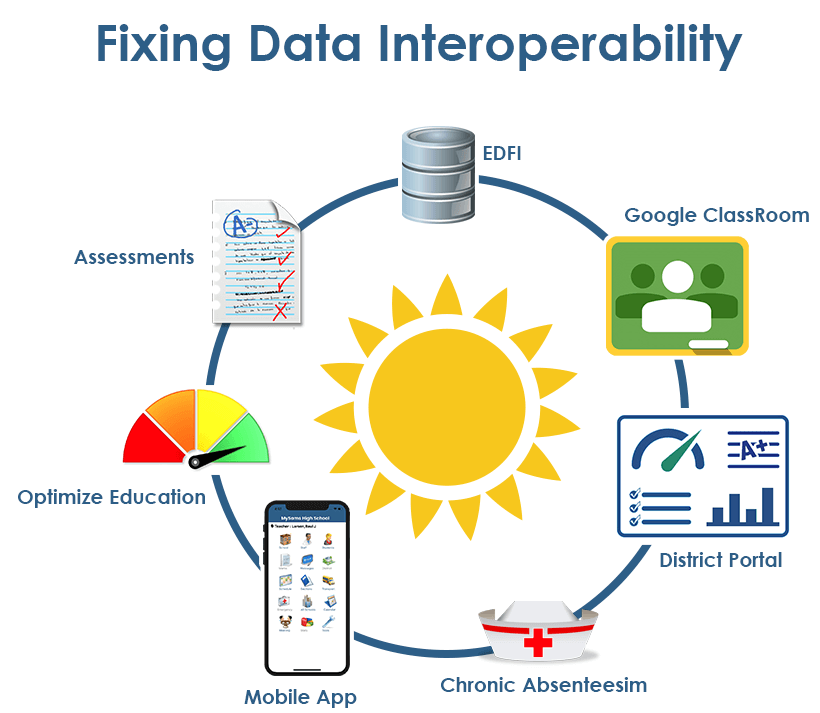





Every student gathers hundreds of data points throughout their graduation and career. School Authorities are expected to maintain and make sense of data points. They are expected to report these data points to various agencies that will help to boost and upgrade student outcomes.
Standards such as edfi visualization help to make it possible throughout the way. These standards aid school authorities make data-driven and insightful decisions based on the wealth of data.
The Data points include:
- Personal identifying information
- Grades
- Test scores
- Demographics
- Growth
- Graduation information
- Courses
- Extracurricular activities
- Enrollment
- Teacher observations
- Student-produced data such as homework and assignments
- Practice programs
- Student participation
- Attendance
- Student Behavior
- Assessments: tests, quizzes, formative and state assessments.
There is tremendous data available, factoring in different systems. There is a critical role of Edfi visualization to standardize and regulate data management. It is like it provides a common language for a better understanding of data. The Edfi visualization helps the management of student data during its complete lifetime, from creation to retain records for the long term.
Gathering of Data:
Before EdFi standards, school authorities such as teachers track student progress with their method of storing data. The software for grading cannot report to the student information system. Various systems do not genuinely absorb the data.
THe Edfi uses common language, and with the help of API, data gets seamlessly transferred between systems. It gathers all student data into a single record of the students within a student information system. It allows the schools, colleges, and universities to do various other tasks.
Its imminence is that it effectively eliminates data silos and efficient working of the school as time is saved which otherwise would have been spent manually re-enter data.
Edfi Organization of data:
It helps the school authorities store data about students' progress from different levels, schools, and graduation. The Edfi standards provide technology for maintaining students' permanent records that will be accessible even if tech changes.
Edfi Protection of data:
The Edfi standards have built-in documentation and security into the system and process it with encryption to protect it from external changes or hackers.
Evolution and Analyzing of data and Edfi standards:
The point of gathering and protecting the data is to use it for better student outcomes. The data maps incremental growth and helps to provide personalized instruction and provide professional development insights.
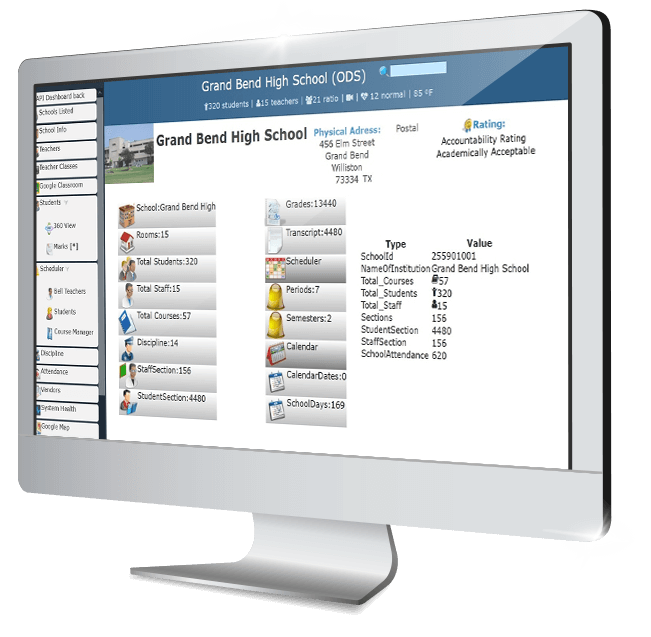
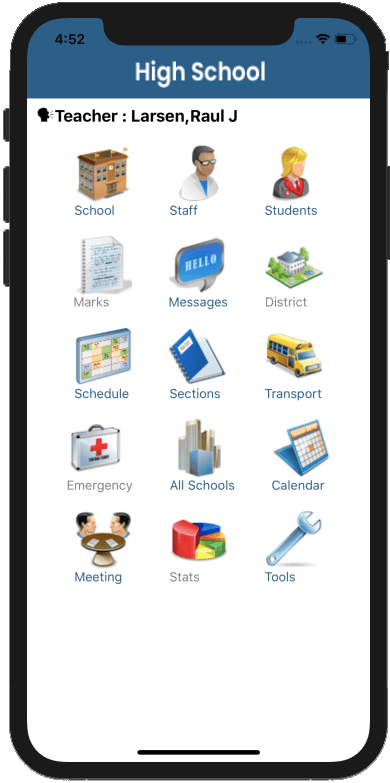
The Edfi dashboards make it easy for educators and school leaders to see data in action as they layout edfi visualization and reports. The data is analyzed and evolved from raw numbers to fundamental insights about student learning.
The Edfi standards enable school leaders to have a solid foundation that will anticipate and change and help to design future processes.