
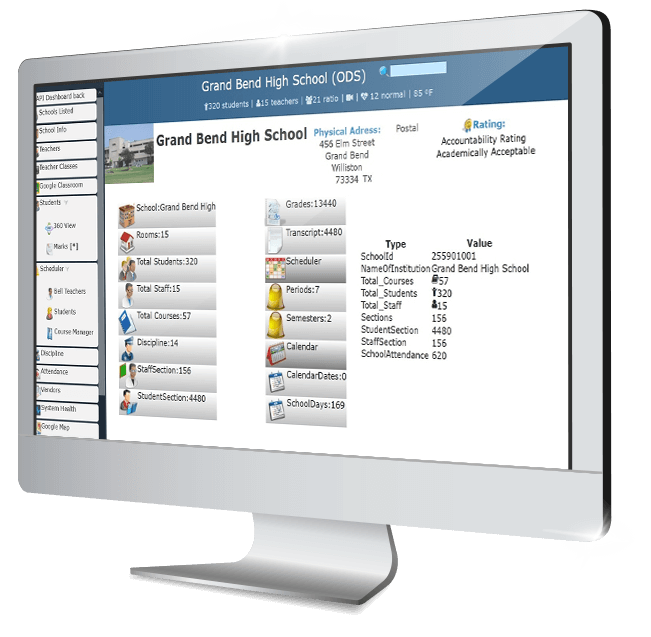

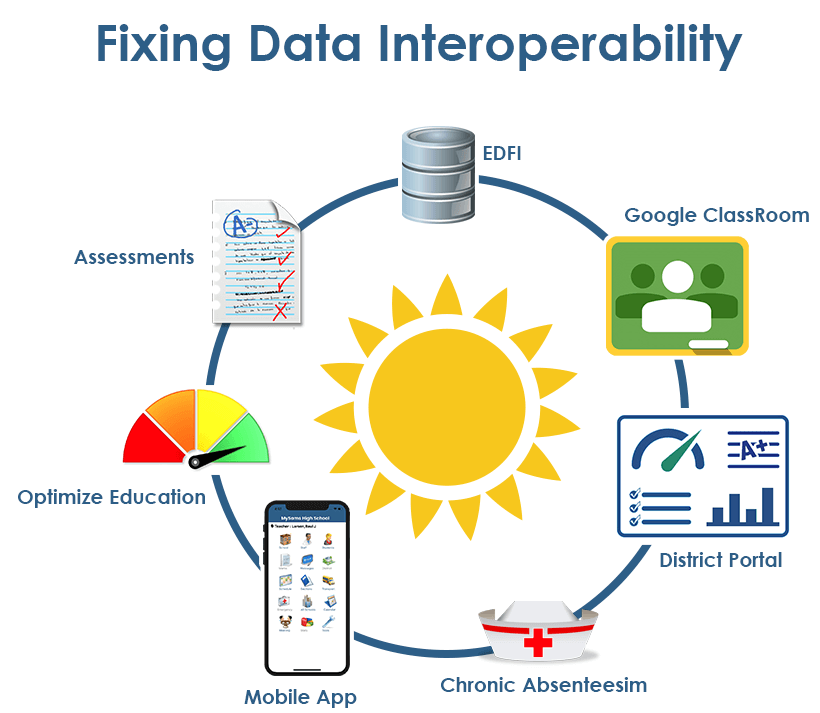






Throughout their education, each student gathers hundreds of thousands of data points. School administrators expect to interpret these data points, present them to other organizations, and use them to enhance student outcomes.
Every step of the way, interoperability standards like the edfi data standard make this possible. Because of these standards, school administrators confidently use the data they currently have to make data-driven decisions. This is how it goes ahead.
Explain data:
Let's start by defining what constitutes a data point.
Most people will quickly mention statistics like demographics, test scores, grades, and personally-identifying information.
Even more in-depth student data includes the following:
- Growth
- Grades, Enrollment, And Courses
- Details About Graduation
- Student Evaluations
- Tests, Quizzes, Formative Evaluations, And State Evaluations
- Participation, Presence, Conduct, And Extracurricular Activities
- Data Generated By Students, Including Assignments And Training Materials
What is Ed-Fi?
The significance of standards governing its management is abundantly evident when one considers the enormous volume of data and the many systems needed to store it. Speaking a "common language" is made possible by Ed-Fi data standards.
To make data valuable and keep records for a long time, Ed-Fi assists in managing data over its full lifecycle. Two professionals in educational data will be speaking about their experiences using the Ed-Fi standards.
Collecting data:
Every system that teachers used to monitor student achievement had its own way of storing data before Ed-Fi standards came into the picture, which is still the case today. Practice software was unable to communicate with grading software, which was unable to communicate with the student information system. Sometimes school data specialists would use the.csv file cleverly to submit data files that various systems would temporarily keep.
Organizing Data:
School administrators must decide on the storage of various types of data as the next step in the data lifecycle. As students transfer to new institutions and eventually graduate, this will change.
Some documents must be kept for a set period, or even forever.
Standards will change along with technology. Records from many schools are kept on microfilm, microfiche, paper, and internet databases. In the future, permanent student records will continue to be available thanks to Ed-Fi standards, which is something we can't say for microfilm and microfiche.
Development of standards:
Technology won't stop developing. A set of standards can aid in directing system and process changes as it develops. Integrating new systems into the district's operations is simpler and quicker.
School administrators have a strong platform to plan for change and develop new procedures thanks to Ed-Fi guidelines.