







The International Society for Technology in Education reports that the last ten years saw the creation of many of the high-demand jobs of today (ISTE). Teachers can aid kids in developing the abilities they'll need to succeed in their future occupations as technological advancements fuel globalization and digital transformation.
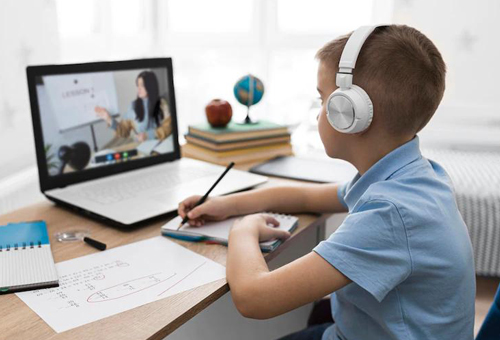
How important is technology in the classroom? The COVID-19 epidemic swiftly brought attention to its significance. It sparked a quick revolution in digitization and the use of technology in teaching and managing schools. Teachers can use online learning as a potent teaching tool by incorporating it into current curricula rather than using it only as a crisis-management tool.
Edfi education offers digital learning tools used effectively in the classroom that can boost student engagement, assist teachers in creating better lesson plans, and promote individualized instruction. Additionally, it aids pupils in developing crucial 21st-century abilities.
Virtual learning environments, video, augmented reality (AR), robots, and other technological tools can not only make classes more engaging but also more inclusive learning environments that encourage collaboration and inquisitiveness, as well as give teachers the ability to gather data on student performance. Educational technology's potential depends on how educators use it and how it can best meet their pupils' needs.
Technology's Benefits for Education
Technology can assist teachers in enhancing student performance, a goal that is of prime importance. Administrators should assist instructors in acquiring the skills necessary to improve student learning through technology to lessen the difficulties. The use of technology in the classroom should also facilitate teachers' tasks without adding to their daily workload.
Technology offers students quick access to knowledge, rapid learning, and enjoyable opportunities to put what they have learned into practice. It allows them to delve deeper into challenging ideas and explore new themes. Students can acquire the 21st-century technical abilities required for future careers through technology inside and outside the classroom.
Teachers can develop lessons using their students' interests and skills. Students can learn at their own pace, which is an additional advantage. Students can watch the lesson plan videos when they need to revisit the class content to comprehend key ideas better. Teachers can identify which students struggled with particular courses and provide additional guidance and assistance thanks to the data collected by these online activities.
Teachers can encourage children's curiosity and inquisitiveness through entertaining and instructive content, which, according to research, is linked to academic performance. Students that are curious learn math and reading subjects more effectively. AR, videos, and podcasts may all be used to create compelling content. Students can engage with peers from around the world or add films to their assignments, for instance.
Teachers may use technology to boost productivity, apply practical digital tools to promote student learning opportunities and boost engagement and support from students. Additionally, it allows teachers to customize learning and enhance their teaching strategies. Technology can assist schools by lowering the cost of physical teaching materials, improving the effectiveness of educational programs, and making the most use of instructor time.