

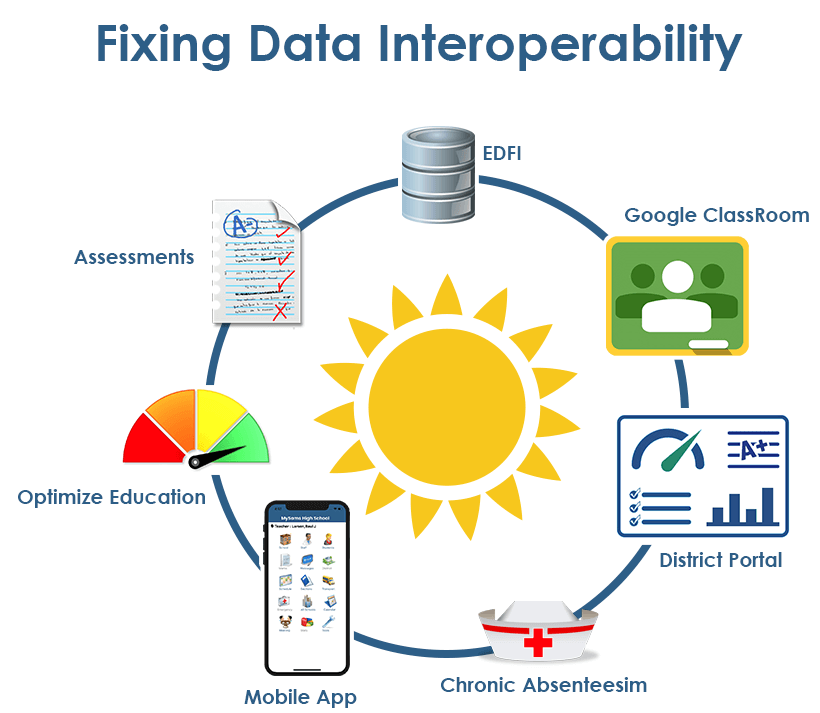






Education data is one of the most valuable assets that schools and districts have at their disposal. It offers insights into student performance, demographic trends, and program effectiveness, enabling leaders to make informed decisions regarding instruction, resources, and policy. However, the sheer volume of data created by schools and the complexity of their management can make it challenging to extract insightful information. Thus, the EdFi data standard comes into play.
EdFi is a data standard meant to facilitate the collection, management, and analysis of education data. EdFi provides a single data model and a collection of data exchange protocols that enable schools and districts to collect, store, and share data in a standardized and interoperable manner. This standardization makes it possible to combine data from many sources, analyze it in real time, and support student success with data-driven decisions.
- Transforming Data Analytics
One of the primary benefits of the EdFi standard is that it enables schools and districts to utilize their data for analytical purposes more effectively. EdFi collects and stores education data in a standard format, making it easy to combine and compare data from diverse sources.
This enables more extensive data analysis, such as trend analysis, predictive modeling, and benchmarking, which can provide deeper insights into student performance and program efficacy.
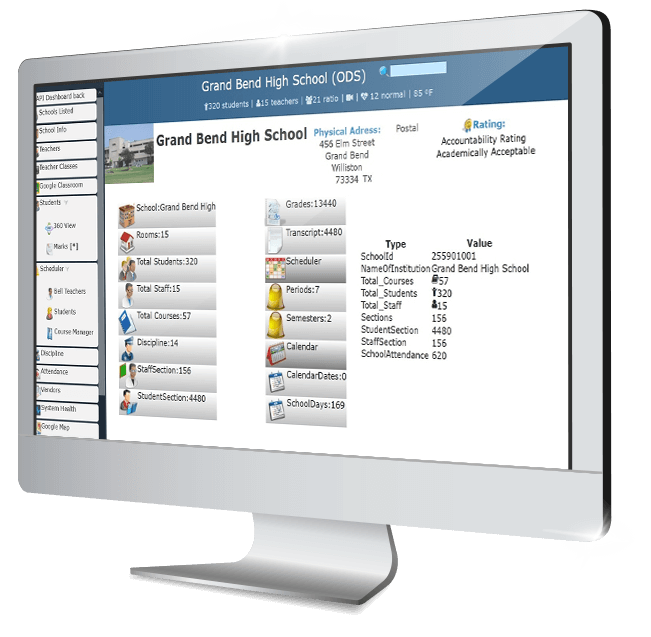
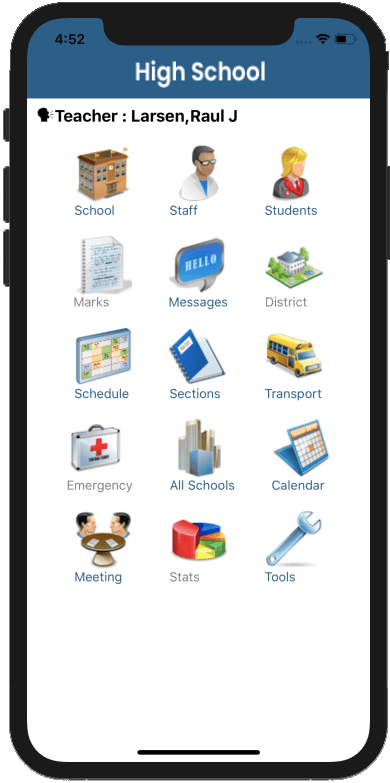
EdFi also offers an API that lets developers access education data in a standard format and combine it with other systems, such as data visualization and reporting tools. This creates new chances for innovation in education data analytics.
For instance, schools and districts can construct customized dashboards that display student performance data in real time, enabling leaders to immediately identify areas of strength and weakness and take appropriate action.
- Superior Data Quality
With EdFi, schools and districts have a standardized method for collecting, storing, and exchanging data, which decreases the likelihood of data inaccuracies and inconsistencies.
In addition, the EdFi standard incorporates a collection of data validation procedures, which serve to guarantee that the data in question is exhaustive, precise, and uniform. This increases confidence in the data and guarantees that decisions made by data are based on correct information.
- Enabling Instructors and Leaders
Not only is the EdFi standard advantageous for data analysts and IT experts, but it also provides instructors and executives with actionable insights. With real-time access to and analysis of student performance data, teachers may make more informed instructional decisions and better support student learning.
On the other hand, leaders can utilize data to make informed decisions about the allocation of resources and the development of policies, thereby ensuring that resources are being used efficiently to support the success of students.
Conclusion
The EdFi standard is a beacon of hope in a sea of education data. It provides schools and districts with a clear and uniform method for managing their data, making it easier to extract important insights and promote student achievement. With EdFi, we can say goodbye to the days of disparate data systems and hello to a world of interoperable data and real-time analytics.