
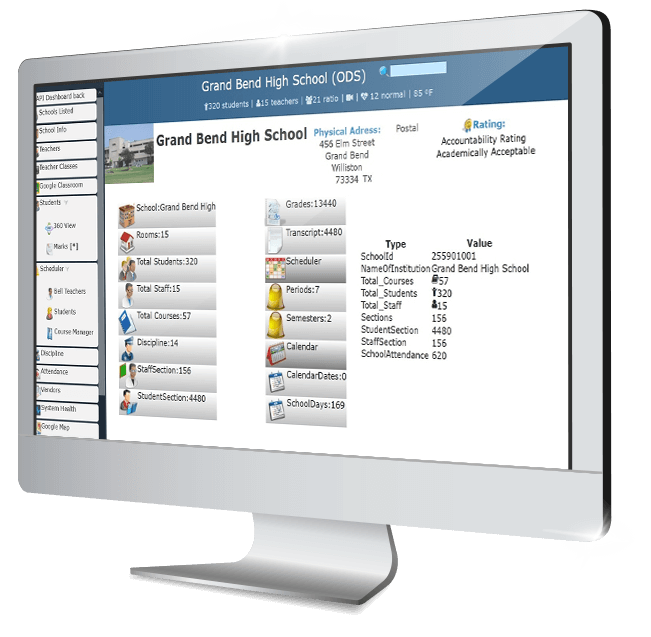

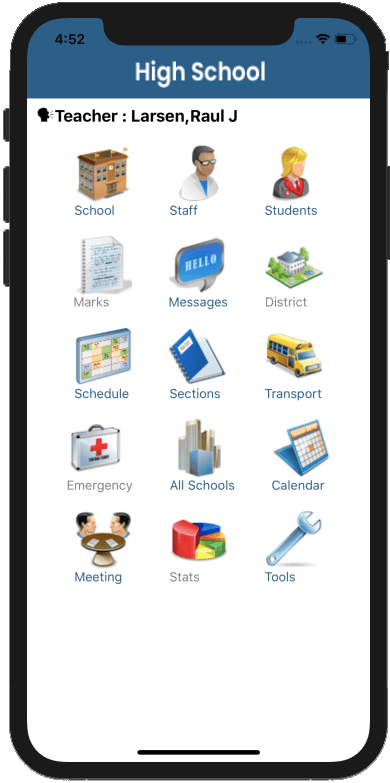
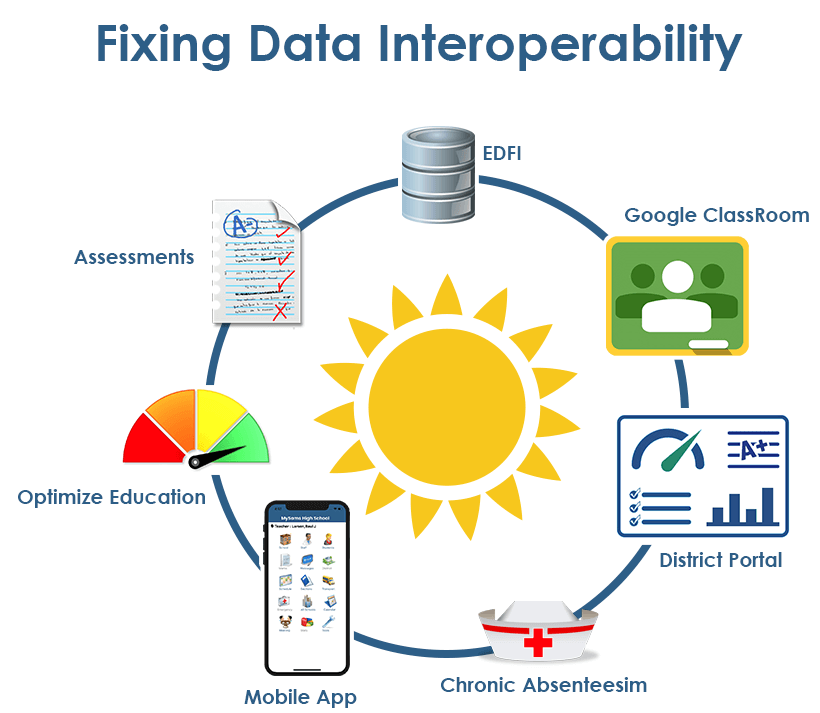




Ed-Fi is a free, open-source software system designed to improve the sharing and utilization of information across educational institutions. With the Ed-Fi Data Standard, schools and districts may standardize their data collection and management procedures.
Step-by-Step Ed-Fi Data Standard Implementation
- Ed-Fi Data Standard implementation begins with defining its parameters. The first step is to determine what information needs to be gathered and how it will be stored and managed. For the platform to work as intended, it is necessary to capture the information defined by the Ed-Fi Data Standard. Data systems in schools and districts should be set up so that these data items and relationships can be collected and managed.
- Once the project's scope has been established, a management team should be put in place to oversee its execution. Members of the IT department, the data management team, and the instructional leadership team should all make up this group. Teachers, principals, and curriculum coordinators are just some of the school or district staff who will need access to and use the data, so they should be part of the team as well.
- Creating a comprehensive strategy for execution is the next step. Timelines, milestones, and specific outcomes should all be outlined in this strategy. Likewise, it should detail the methods and processes that will be employed in data collection, management, and analysis. Stakeholders in the school or district should evaluate and approve the implementation plan to ensure it is consistent with the overall data governance plan.
- There should be training for all stakeholders on the new data systems and processes once the implementation strategy is in place. It is important that this training is individualized for each stakeholder group and that it features both hands-on experience and continuing guidance. The data systems should be running effectively, and the IT department should be ready to give continuing technical support.
- Having a system in place to ensure high quality is also essential. In order to ensure that the data is gathered, maintained, and used is accurate and trustworthy, this procedure should be followed. Data validation, data completeness checks, and data auditing are all important parts of quality assurance testing. To make sure the quality assurance process is still relevant to the needs of the school or district, it should be evaluated and updated frequently.
- To ensure that student information is kept private and secure during the process of implementing the Ed-Fi Data Standard, schools and districts must adhere to security best practices. Data encryption, firewalls, and other security measures should be set up to prevent unwanted access to sensitive information. Furthermore, districts and schools should set up user access restrictions to guarantee that only approved individuals can view sensitive information.
- Lastly, it is crucial to regularly assess how well the Ed-Fi Data Standard is being used. The quality of the data being collected, processed, and used is being monitored as part of this process. Schools and districts that conduct regular reviews of their data systems and processes are better able to pinpoint problem areas and implement solutions.
Conclusion
While there is no doubt that adopting the Ed-Fi Data Standard will be a massive task, the potential gains from a unified strategy for data management are worth considering. School districts and individual schools can gain more information, make more informed decisions, and give children more personalized assistance as a result.