





The demand for K-12 educational institutions is ever-increasing; however, because of the looming stagnancy in test scores, the high dropout rates, and the incompetency of a more significant percentage of students for competing in a global economy. Hence, the local school districts and state agencies are coming together to revise models to yield better outcomes by improving the educational system.
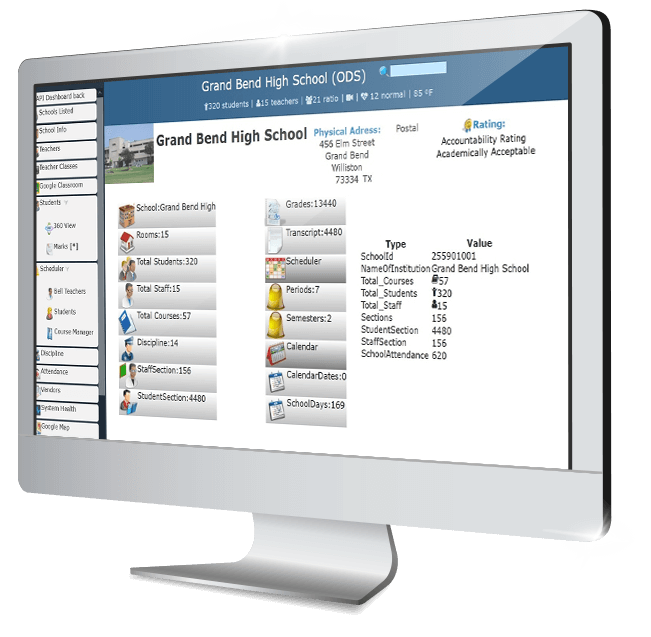
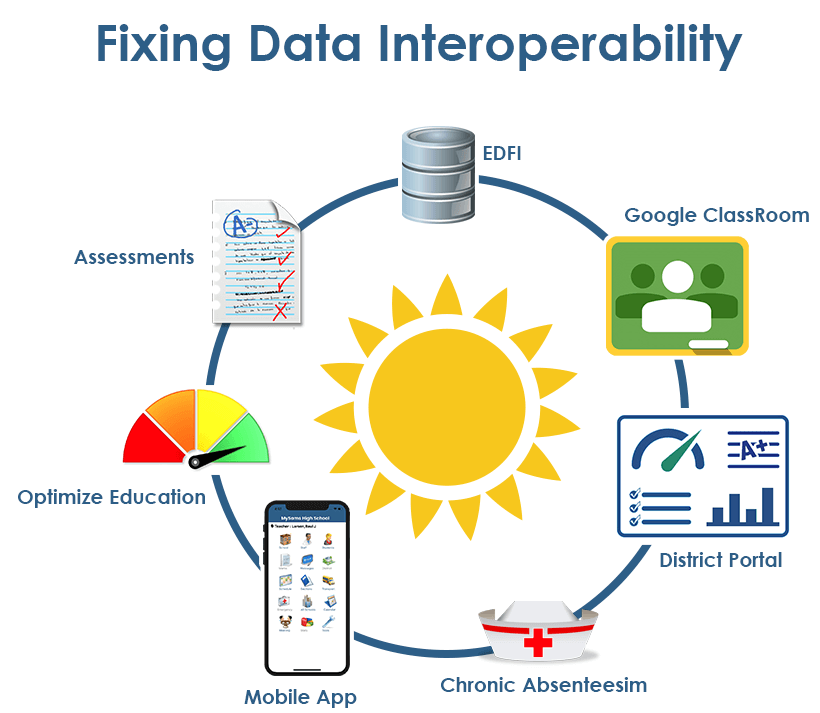
Ed-Fi is a nonprofit organization, which the Michael & Susan Dell Foundation funds. It aims at empowering educators by giving them access to comprehensive data that is actionable, accurate, and secure. The Ed-Fi has a robust governance process for managing its Data Standard. The Ed-Fi API provides you with a simple, cost-effective way to connect and maintain systems and convert data from various sources into actionable information. It helps eliminate data gaps and human error through effective provisioning of roster information directly from source systems.
Manage Roster Data
Roster data is crucial to various education technology solutions. But when school districts and state agencies are manually involved in extracting and sharing roster data through spreadsheets, the entire workflow becomes inefficient, time-consuming, and prone to errors. Leveraging Ed-Fi technology facilitates integration across multiple systems, and Ed-Fi’s API and tools help directly access roster information from source systems. The Ed-fi resources, tools, and technologies are free-of-cost. It does not have any licensing fees. Hence it is free to access and use.
Benefits of Ed-fi
Ed-Fi aims to leverage the standardization for education data integration. It powers various advanced tools that aim to make newly-integrated data actionable. Ed-fi is enabling educators to use data-driven insights and deliver personalized learning. The testing and reporting support enables the effective allocation of resources and crafting evidence-based policies. The educators and administrators get access to comprehensive data that is secure, accurate, and actionable.
Components of the Ed-Fi Data Standard
The following components are part of the Ed-Fi Data Standard:
- Unifying Data Model (UDM)
- XML Data Exchange Framework
- REST APIDesign and Implementation Guidelines
- Unifying Data Model (UDM): It is the foundation of the Ed-Fi Data Standard. It is an enterprise data model that helps to share and exchange K–12 education data. It is expressed in UML, and the various entities in the educational field can easily recognize it. The model helps in harmonizing the information model and data across Ed-Fi technology.
- XML Data Exchange Framework: The UDM builds a data model that acts as a companion to the XML data exchange framework. The framework is expressed as XML Schema Definition (XSD) files. It helps in seamlessly exchanging student data among various source systems. You can extend the XSD to support implementation-specific requirements. The framework is vendor-neutral and can be built as per client requirements.
- REST API Design Guidelines:It provides design guidelines for an Ed-Fi REST API. It identifies different properties that the API specification and implementation must be in line with to become “Ed-Fi aligned.” The UDM identifies the protocols for data transfer and manipulation by Ed-Fi REST API implementation.
To Conclude:
Ed-fi is significantly transforming how educators and administrators are utilizing information to improve the education system. The Ed-fi education solution is enabling them to take a data-driven and open-source approach to education.