
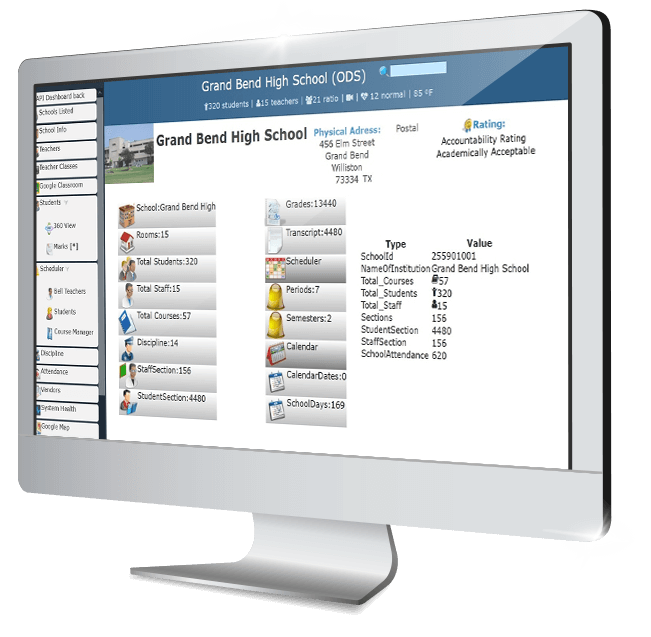

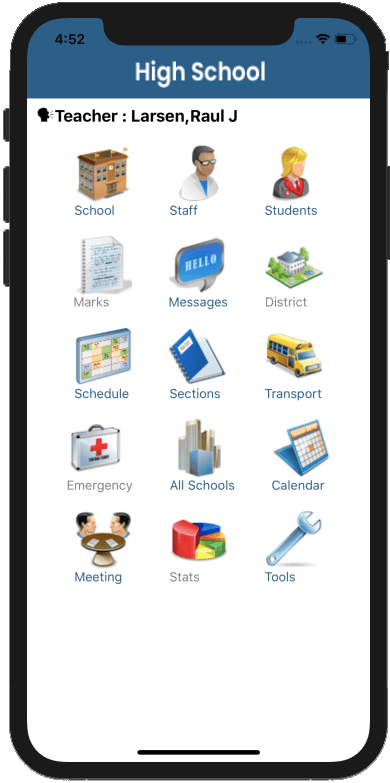
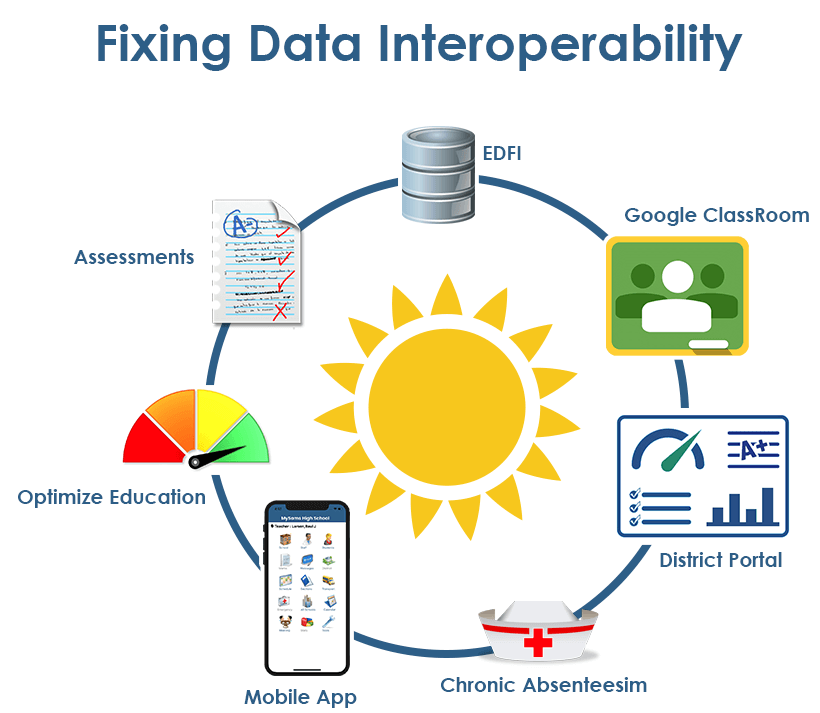






The K-12 educational institution must efficiently use data and technology to empower the learning processes. The collaboration between the various stakeholders, including researchers, entrepreneurs, community members, and educators, must be optimized to overcome the challenges and facilitate learning opportunities. To foster deep learning and bolster the overall development of each student, the entities must effectively use data at their disposal. School districts collect large data volumes, but it becomes increasingly difficult for administrators to collect and compare datasets and analyze them as the data sets grow. The entities involved must effectively tack the data management lifecycle to leverage actionable, insightful, and helpful information and boost decision-making.
Thus, the Ed-fi data standard has come forth to harness the power of data and technology and amplify educational processes. It helps embed rules to enable (previously disconnected) seamless connection of educational data systems. It was launched in July 2011. The Ed-fi data standard is an open-source framework that connects various software applications like student information systems, rostering tools, assessment software, and learning management systems (LMS).
The Ed-Fi LMS toolkit helps stakeholders efficiently unlock, simplify, and use instructional system data. It helps fix data interoperability to understand the context, content, and meaning of data. Thus, they can use data to facilitate the development of students. It enables the entities involved to overcome the data problems and build a comprehensive understanding of their students.
What are the various critical features of Ed-fi?
Common Language
Ed-Fi provides schools with a common language for data lifecycle management. Data is seamlessly transferred between systems easily using APIs. The Ed-Fi Unifying Data Model (UDM) helps exchange, share, and analyze K–12 education data. The Ed-fi model enables the data systems to speak a "common language within the educational infrastructure." Thus, it helps to improve the accessibility and reliability of data.
No Licensing Fee
Ed-fi data standard is a nonprofit organization that is fully funded by the Michael & Susan Dell Foundation. There are no licensing fees to use Ed-fi. Thus, schools can free up their funds for other critical projects, enabling them to support their mission to prepare students for lifelong success. Since the data standard is open-source, it significantly contributes to cost savings.
Data Security
The Ed-Fi Data Standard enables interoperability among secure education data systems. It helps build granular data security and ensure the educational system resiliency. It helps ensure comprehensive data protection. The Ed-fi data standard adheres to regulatory and compliance protocols to ensure optimum data protection. Data is always at the threat of exposure to the bad actors. Thus, schools protect students' personally identifiable information from cyber-attacks. Ensuring the security of students' confidential data is their responsibility, which they can optimize with the Ed-fi data standard.
Boost Decision-making
Data-driven decisions help improve student outcomes. An enhanced understanding of student data enables the stakeholders to enhance their performance thoroughly. It helps them to optimally craft lessons and boosts students' growth. With the Ed-fi data standard, they can facilitate personalized learning.
To Conclude:
These are some of the critical features that accompany the Ed-fi data standard. This standard's crucial role in boosting learning in the educational domain is becoming clear. It helps create a solid foundation to pave the path for the future.