
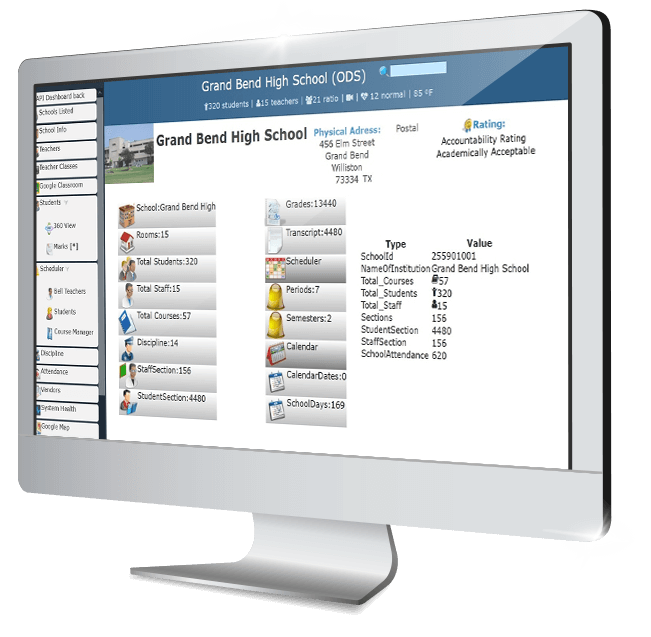

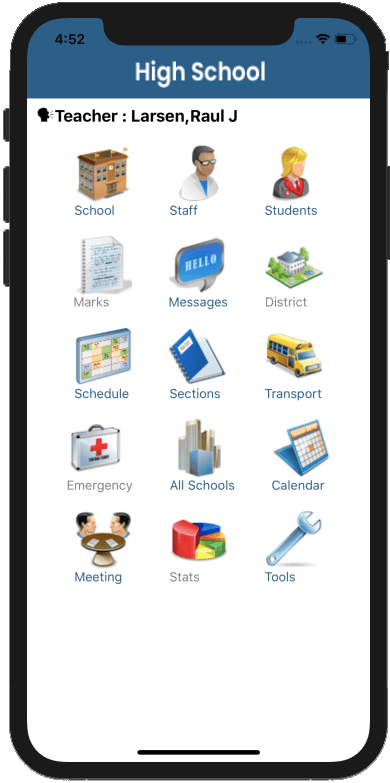
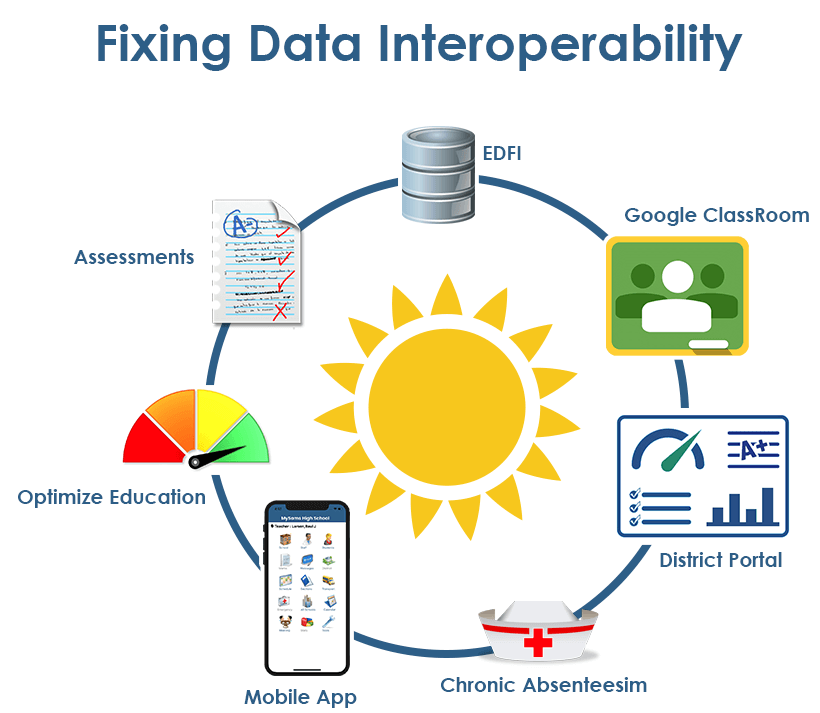






Ed-Fi is an open-source technology that is helping to revolutionize the education community. It is a data standard help to eliminate the data siloes and ensures enhanced integration and exchange of data and insights. Ed-Fi data standard helps streamline and harmonize the various education data systems. Each year schools gather extensive data volumes regarding the performance and activities of students. School leaders must make sense of these data points and use them effectively to make decisions. Interoperability standards like Ed-fi help boost these processes to improve teaching quality and efficiency.
The Ed-Fi data standard consists of a set of rules that helps collect, secure, manage, and organize educational data. The Ed-Fi API is a simple, intuitive, and cost-effective way to bring together the various data systems within the EdTech infrastructure and transform data into actionable information. Thus, with Ed-Fi, the school leaders can efficiently provision roster information from source systems. The Ed-fi data standard intelligently interconnects various software applications such as student information systems, rostering tools, learning management systems (LMS), reporting, and assessment software.
Ed-Fi and Data Lifecycle Management
Ed-Fi helps stakeholders leverage enhanced accountability and coordination in data lifecycle management, from its creation to end-use.
- Gathering Data: Before the Ed-fi data standard was introduced, K-12 education did not have an efficient system to gather and store data. The traditional software could not optimally absorb data. Integration of Ed-fi is now enabling the disparate data systems to adopt a ‘common language’ to seamlessly transfer data using APIs.
- Organizing Data: Data organization is a complex problem, and if not performed optimally. The systems must properly categorize and classify data for enhanced use. Ed-Fi facilitates optimal data organization.
- Analyzing Data: Ed-fi standards support intelligent data analysis, enabling educators to make robust instructional decisions. It also allows them to personalize lessons and teaching practices to get better outcomes. Teachers analyze data to draw conclusions and formulate teaching plans. It helps them take necessary actions to support students' education.
- Protecting Data: Data is always at the risk of sophisticated cyberattacks and cyber vulnerabilities. Educational institutes need to pay attention to protecting students’ data. Ed-Fi data standards integrate enhanced security within the systems and processes. It encrypts the data for enhanced protection.
Use cases of the Ed-fi LMS toolkit
A learning management system or LMS has become integral to the e-learning processes. Ed-fi LMS functions as a centralized database to store the e-learning materials, reports, and other actionable insights. The LMS toolkit is use-case-driven.
- The Edfi data standard ensures the enhanced collaboration of the different systems in the EdTech together. The LMS solution enables the teachers to comprehensively assess student engagement levels in course work. It then gathers data from other key systems enabling teachers to make better decisions.
- The LMS toolkit helps to easily mark attendance, thus seamlessly organizing processes in a remote instructional system.
- LMS allows the learner to schedule their training. Admins can effectively track who is engaging in the training and thus take necessary actions.
To Conclude:
These are a few things you should know about the Ed-fi standard. It seeks to amplify educational processes and enhance students’ learning and development within the school domain.